Visualizzazione post con etichetta geography. Mostra tutti i post

lunedì 20 ottobre 2014

La storia delle barbabietole nelle rivoluzioni tecnologiche - The history of beets in the technological revolutions

La barbabietola nella società nomadica - The beet in the nomadic society

Nell'epoca del nomadismo si viveva di raccolta, questo implica che non ci fosse una selezione nel consumo di vegetali, ma esso dipendeva solamente dall'offerta della natura. Non esistono testimonianze preistoriche dell'esistenza della barbabietola prima degli antichi greci, ciò è logico dato che la barbabietola non è un ortaggio naturale, ma creato dall'uomo tramite la selezione genetica della rapa, questo implica che la barbabietola sia stata introdotta non prima della rivoluzione agricola. 

IIn the era of nomadism men lived only on harvesting, this cause that there wasn't a selection of vegetables consume, but it depended on the offer of nature. Evidences of the preistoric existence of beet don't exist, it's logical, whi the beet isn't a natural vegetable, but created with turnip genetic selection, this involve that beet wasn't been introduced before the agricultural revolution.


La barbabietola nella società agricola - The beet in the agricultural society
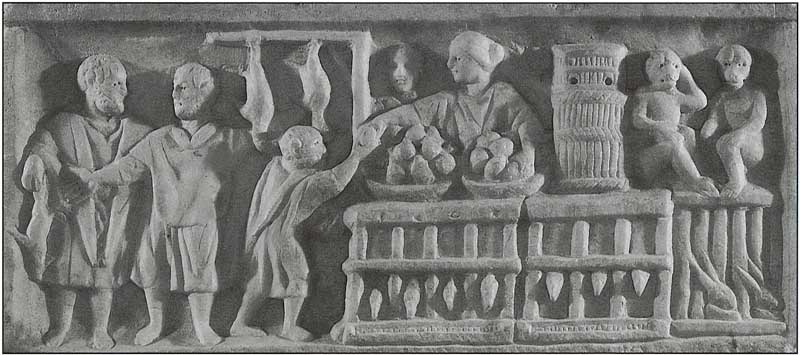
La barbabietola faceva parte della alimentazione dell'antica Roma -
The beet was part of the alimentation of the acient Rome
Nell'era agricola la barbabietola viene coltivata come ortaggio generico. Le prime testimonianze della presenza della barbabietola derivano dalla grecia del IV secolo a.c., non ebbe molta diffusione in Europa prima del XV secolo e non era presente in nessun altro continente. Nella società agricola venivano consumate solo le foglie della barbabietola. E' solo all'inizio della rivoluzione industriale che la barbabietola prende la forma rotonda che conosciamo, mentre prima somigliava molto a una carota.

In the agricultural age, the beet was coltivated like a generic vegetable. The first evidences of the presence of beet emerge from the Greece of the IV century b.c., it had not much diffusion in Europe since the XV century and it wasn't present in any other continent. In the agricultural society, only beet leaves were consumed. Only at the beginning of the industrial revolution the beet takes the round shape that we known, before it was similar to a carrot.


La barbabietola nella società industriale - The beet in the industrial society

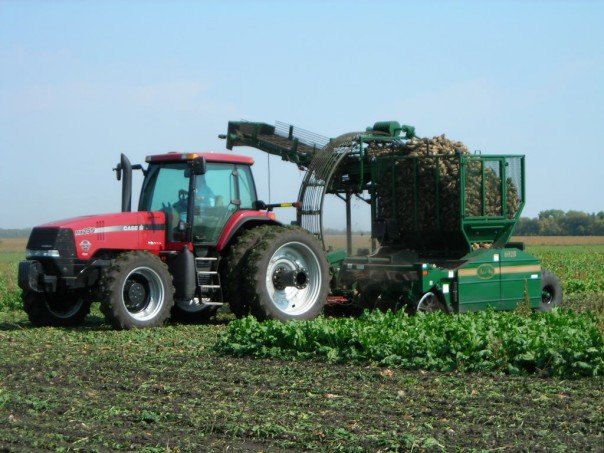
Raccolta di barbabietole - Harvesting of beets
Con l'inizio della rivoluzione industriale si inaugurò la produzione dello zucchero dalle barbabietole, nel XIX secolo; questo grazie al blocco commerciale dello zucchero di canna causato dalle campagne napoleoniche, anche se la scoperta dello zucchero estratto dalle barbabietole è antecedente. Questo garantì il successo delle barbabietole e dello zucchero da esse prodotto, si usa in particolare la specie delle barbabietole da zucchero. Oggi, il 90% del fabbisogno di zucchero europeo è soddisfatto da zucchero di barbabietola.

With the beginning of the industrial revolution, was inaugurated the production of sugar from beets, in the XIX century; this thanks to the commercial block of cane sugar caused by the Napoleonic campaigns, although the discovery of sugar extracted from beet is earlier. This ensured the success of beet and sugar produced by them, is used, in particular, the sort of sugar beet. Today, 90% of the European demand for sugar is satisfied from sugar beet.


Fonti-sources: 
http://www.barbabietole.com/storia-barbabietola.cfm 
http://www.lovebeetroot.co.uk/history/#.VETx5_msV1Y
https://cropwatch.unl.edu/sugarbeets/sugarbeet_history
http://www.treccani.it/enciclopedia/barbabietola/
http://aggie-horticulture.tamu.edu/archives/parsons/publications/beets.html

domenica 19 ottobre 2014

La geografia della barbabietola: ricette popolari - The geography of the beet: popular recipes


Il boršč -  The Borscht

http://www.promoturpd.org/wp-content/uploads/2012/10/borsc1.png
Il boršč (борщ) è una minestra tipica dei paesi dell'est Europa di origini ucraine; il nome varia dipendentemente dalla nazione, come anche le ricette. Solitamente la barbabietola costituisce l'ingrediente principale, ma a volte può  essere anche il pomodoro.

The Borscht is a soup tipical of the east Europe original from Ukraine; the name changes from the country, as the recipes. Usually the beet composes the main ingredient, but sometimes it can be the tomato.


Miracle drink


Beet-Carrot-Apple Juice
http://www.foodnetwork.com/recipes/food-network-kitchens/beet-carrot-apple-juice.html
Il Miracle drink ha questo soprannome per i grandi benefici che porta all'organismo, ma è semplicemente succo di barbabietola, mela e carota. Il succo venne introdotto da un erborista cinese per la cura di malattie; alcuni sostengono che sia utile per il trattamento del cancro.

Miracle drink has this surname thanks to the great beneficts that it goal to the organism, but it's simply beet, apple and carrot juice. The juice was introducted bu a Chinese herborist for cure some diseases; someone says it's usefull for the treat of cancer.


French "Peasant" Beets

French "Peasant" Beets
http://food52.com/blog/5132-dinner-tonight-french-peasant-beets-lazy-mary-s-lemon-tart
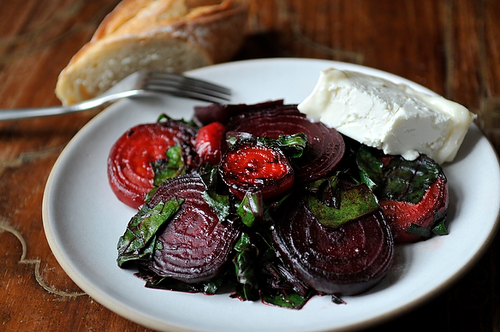
Ricetta americana che prende ispirazione dalla Francia, come dice il nome, French "Peasant" Beets (barbabietole del contadino francese); la ricetta utilizza sia le radici che le foglie delle barbabietole, condite con vino bianco e formaggio di capra. 

American recipe, that takes inspiration from France, as the name says, French "Peasant" Beets; the recipe uses both roots and leaves of beets, seasoned with white wine and goat cheese.


Aliter Betas Elixas


Beets with mustard
http://redsbragbook.livejournal.com/8022.html
Ricetta molto antica, che risale all'antica Roma. Consiste in barbabietole bollite con mostarda; le barbabietole vengono bollite, pelate e tagliate, poi vengono servite coperte con una salsa fatta con la mostarda, olio d'oliva e aceto.

An acient recipe, that goes back to the acient Rome. It consist in boiled beets with mostard; the beets are boiled, peeled and sliced, then they're served covered with a sauce made with the mustard, olive oil, and vinegar.

sabato 18 ottobre 2014

La geografia della barbabietola: i luoghi d'origine - The geography of the beet: the places of origin

Produzione di zucchero da barbabietola nel mondo - Production of sugar beet in the world

la barbabietola fece la sua prima comparsa nella storia, con il nome di 'beta', in alcuni scritti della letteratura greca risalenti al 420a.C. .
In Europa  la barbabietola veniva diffusa e coltivata a partire dal XV secolo. All'epoca, la sua coltivazione si ritrovava soprattutto nei monasteri dove delle barbabietole venivano impiegate solamente le foglie; l'utilizzo ed il consumo delle radici arrivò invece in epoche più tarde.
Il grande sviluppo delle colture di barbabietola si ebbe, però, solo con la scoperta dello zucchero che è possibile ricavare dalle sue radici. 
In Prussia, nel 1801 nacque la prima fabbrica di zucchero di barbabietola.
Durante i primi anni dell'800, lo zucchero di barbabietola rimase comunque un prodotto assai poco diffuso rispetto al prodotto della canna da zucchero. La fortuna di questo nuovo zucchero arrivò con le campagne napoleoniche, a causa delle quali si verificò il blocco delle importazioni di zucchero di canna con il conseguente aumento di interesse nei confronti dello zucchero di barbabietola.
Ad oggi, in tutta Europa, si coltivano ben 120milioni di tonnellate di barbabietole, per una produzione complessiva di 16 milioni di tonnellate di zucchero. Tra i maggiori produttori europei spiccano Francia a Germania ed ogni paese europeo estrae zucchero per il 90% del fabbisogno.


The beet make it's first appear in history with the name of "beta", in some Greek writings from 420 b.c..
The beet was widespread and coltivated in Europe starting to the XV century. At the time, the coltivation was above all in the monasteries, where only beet's leaves were used; the use and consume of the roots arrived later. 
In Prussia, in 1801 came the first beet sugar factory. During the first years of the 800, the sugar beet however, remained a very wide-spread product compared to the product of sugar cane. The fortunes of this new sugar came with the Napoleonic campaigns, which occurred because of the ban on imports of cane sugar with the consequent increase of interest in sugar beet. 
As of today, all over Europe, they grow well 120milioni tons of beets, for a total production of 16 million tonnes of sugar. Among the major European manufacturers, stand out France and Germany  and every European country extracts sugar for 90% of the needs.

Fonte-source: http://www.treccani.it/enciclopedia/barbabietola/